Team

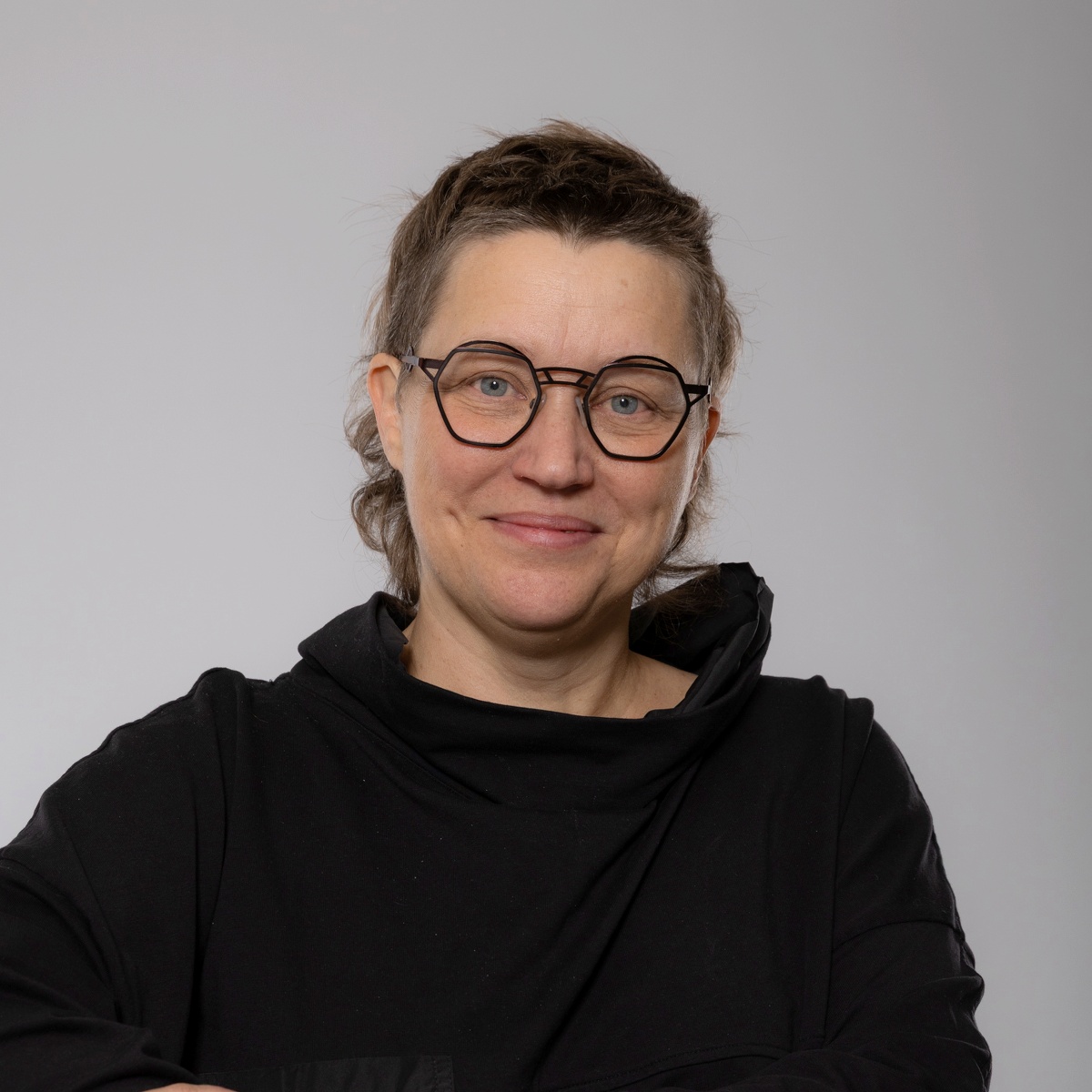
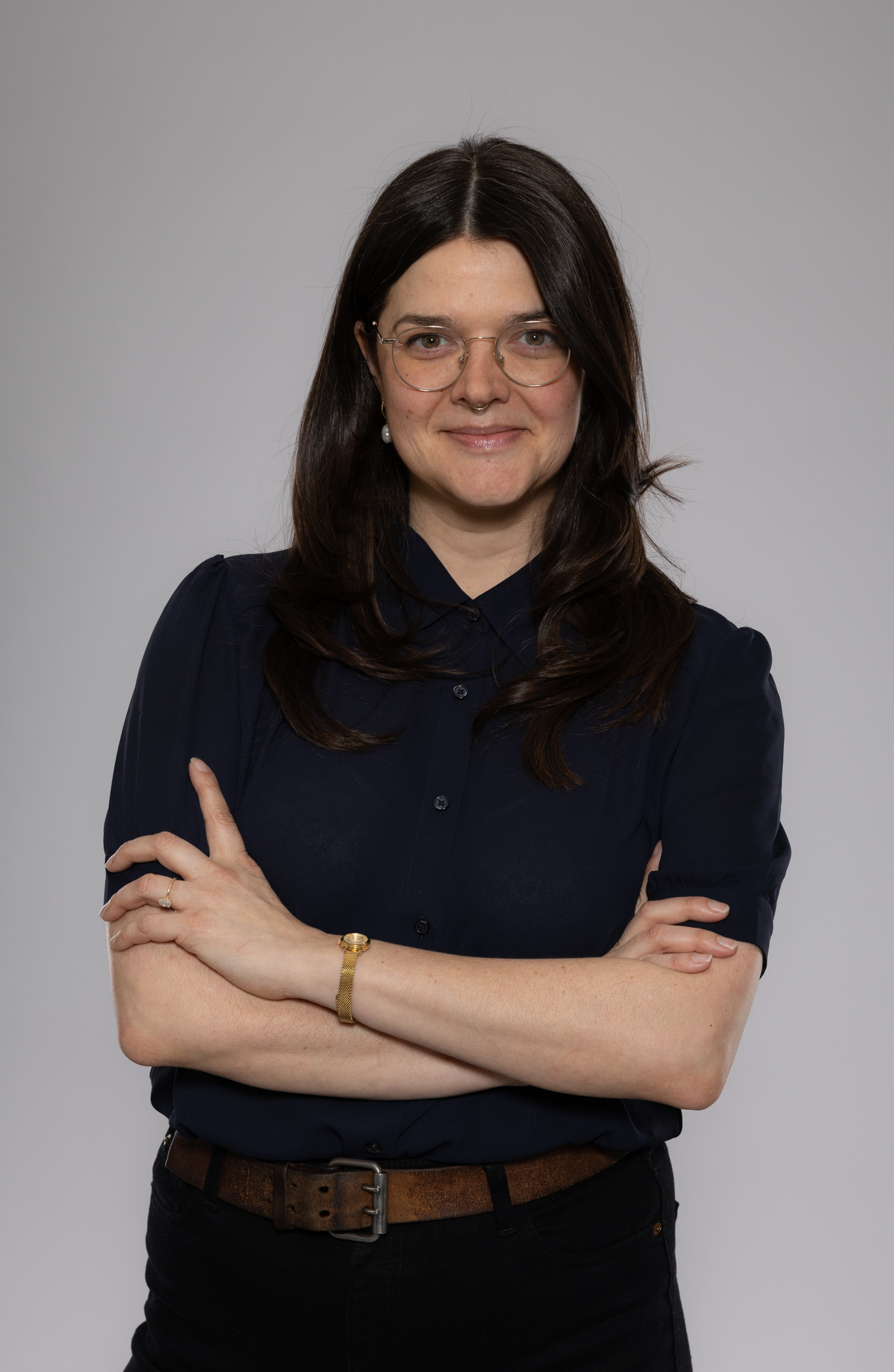
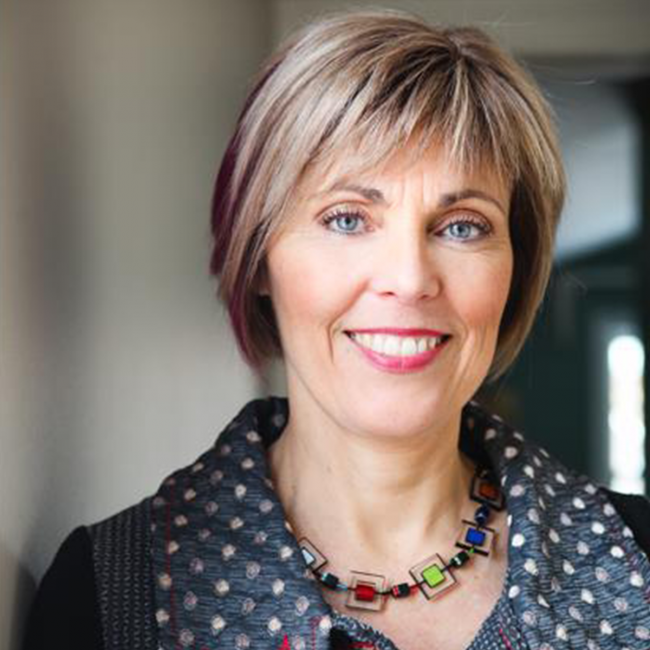
Carolina Garcia

Carolina Garcia (she/her) is an assistant professor at Saint Paul University’s Élisabeth Bruyère School of Social Innovation. She holds a PhD in Social Sciences from the Universidade Estadual de Campinas (Brazil). Before joining Saint Paul University, she was a Banting Postdoctoral Fellow (2024–2025) at Concordia University’s Simone de Beauvoir Institute. Her interdisciplinary work spans transnational feminisms, critical approaches to global development, sociology of work, and critical migration studies, grounded in decolonial and transnational feminist theories. Examining the intersections of neoliberalism and the social organization of work through intersectional feminist lenses, she is particularly interested in how gender, race, class, and nationality shape labor regimes, entrepreneurship, and citizenship, and how empowerment discourses influence policy interventions as well as everyday practices. Her doctoral research introduced the concept of empowerment economies to analyze how international development agencies and corporate social responsibility initiatives mobilize gendered and racialized narratives to integrate women from the Global South into entrepreneurial labor markets.

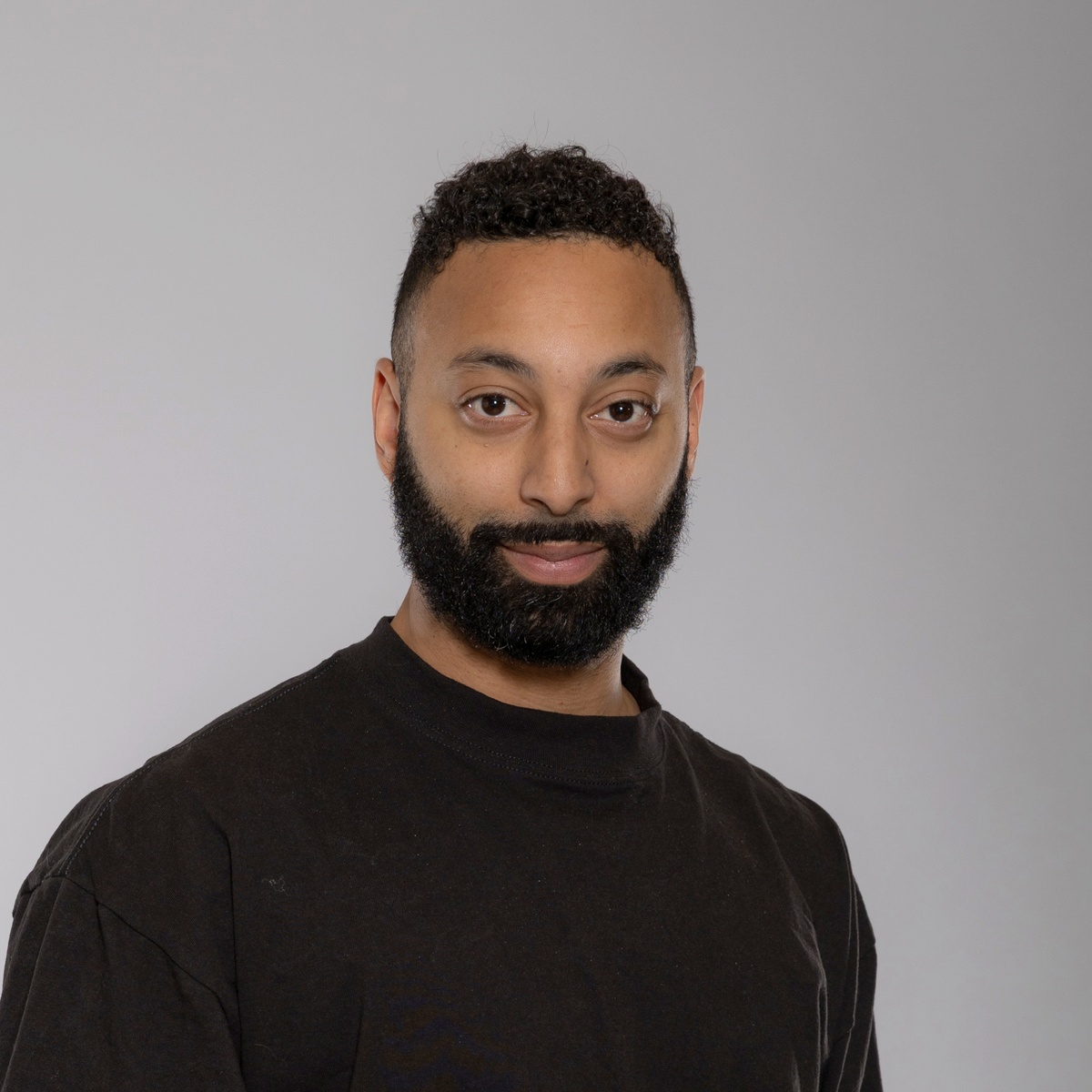
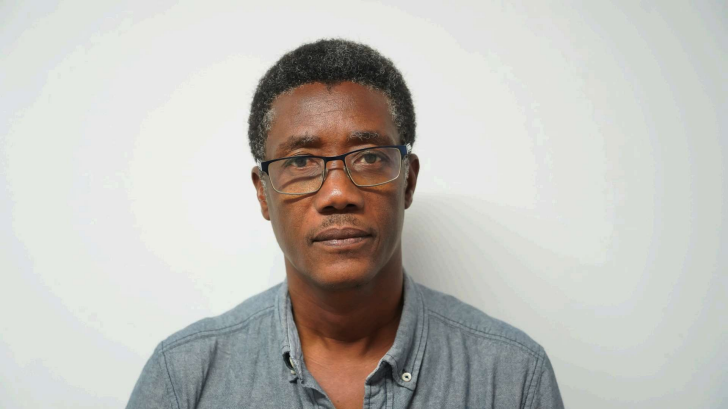
Philippe Néméh-Nombré

Philippe Néméh-Nombré is an assistant professor at Saint Paul University’s Élisabeth Bruyère School of Social Innovation. Before joining Saint Paul University, he was a postdoctoral researcher in the Department of Geography at Concordia University. He holds a master’s degree in sociology from the Université du Québec à Montréal and a doctorate in sociology from the Université de Montréal. His research focuses on Black political thought, cultures, poetics and ecologies, on the potential relationships between Black and Indigenous liberatory perspectives, and on critical methodologies. He is also a member of the Black Symposium noir organizing committee.

Julie Chateauvert

Researcher

Julie Chateauvert is assistant professor in the Élisabeth Bruyère School of Social Innovation. She completed a PhD in Arts Studies and Practices at UQAM and then a postdoctoral position at the Paris 8 University’s Critical Knowledge Transfer and Knowledge Dynamics team. Her work has focused on narrative creation in Sign Languages. She is interested in how artists resist not only the marginalization of their languages ​​but propose a new perspective on the world which transforms body norms and fuels a rethinking of the relationships between linguistic and cultural majority and minorities. Her research interests also include practice-based research methodologies, power relations, leadership, and accessibility in organizations. She published “Le tiers synesthète : espace d’accueil pour la création en langue des signes” in the journal intermedialités, issue 27, and “Création en langue des signes : intermédialité et proxémie” in Discours et représentations du handicap, edited by Soline Vennetier and Céline Roussel (Éditions Garnier Classique).  She is also a researcher associated with the disability and society program of the EHESS (Paris) and the Labex Art H2H through her participation in the project Traduire la performance/performer la traduction.

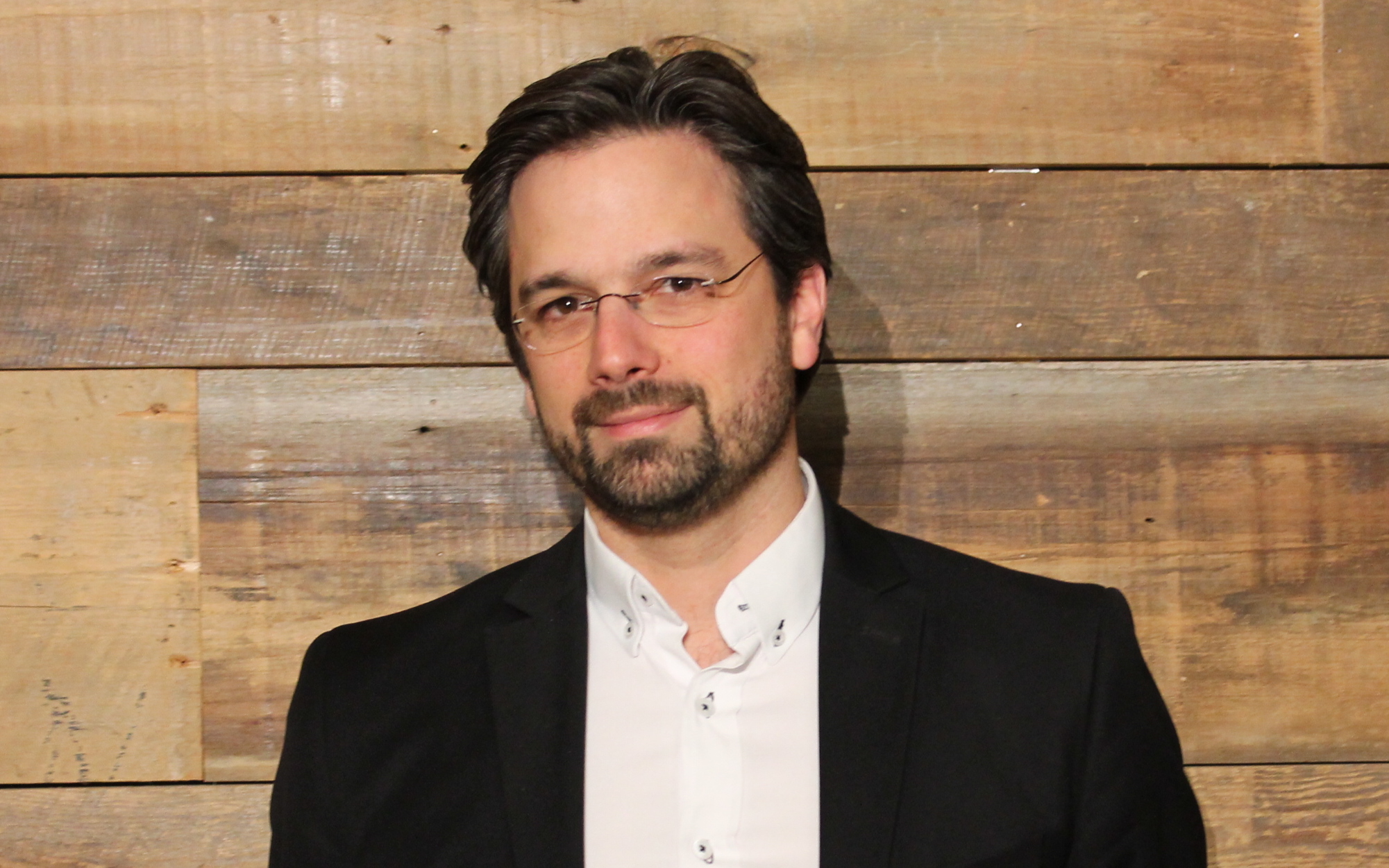
Philippe Dufort

Researcher

Philippe Dufort holds a PhD from the Department of Politics and International Studies (POLIS) of the University of Cambridge, UK. He is an Associate Professor at the Elisabeth-Bruyère Social Innovation School at Saint Paul University, Ottawa. He studies the epistemological underpinnings of strategic innovation, with a particular interest in the translation of reflexive military knowledge into forms that are useful to social movements. He is an associate researcher at the Colombian Superior School of War. He acted as an Associate Editor of the Cambridge Review of International Affairs (CRIA) from 2009 to 2013 and was the founding director of the Elisabeth-Bruyère School of Social Innovation in 2015. Apart from his experience in academic research, he has previously worked as a journalist in Latin America, a human Rights observer in conflict zones, and as a contrat analyst for the Canadian Mission to the European Union in Brussels.

Nadia Duguay

Community-based researcher

Nadia Duguay is the co-founder of Exeko – an organization that uses artistic and intellectual creativity in support of inclusive and emancipatory social transformation. Member of the Executive Committee of the Canadian Commission for UNESCO, the Observatory of Cultural Mediation Practices (OMEC), the Quebec Network for Social Innovation (RQIS), and the Board of Directors of the Caisse Solidaire Desjardins Desjardins, she also sits on various advisory committees including the Chagnon Foundation’s Éclaireur Group and the Rideau Hall Foundation. She is also Ashoka Fellow. Her interests include research practice and inclusive social development, cultural and intellectual mediations, and social innovations rooted in a social justice perspective. She is co-author of “Entre innovation sociale, pluralité de l’exclusion & transformation culturelle” in the Social Innovation Review (2017).

Mathieu Dufour

Researcher

Mathieu Perron-Dufour is an associate professor in the Département des sciences sociales at the Université du Québec en Outaouais, where he has been teaching for four years. Before that, he was a professor at John Jay College (City University of New York) and Dalhousie University, and also taught in China. He obtained his PhD in economics from the University of Massachusetts, Amherst and his dissertation was on the dynamics of international financial crises. Mathieu has written several peer-reviewed article on that topic, as well as other subjects pertaining to public policy, with a particular focus on income distribution. He sits on the board of the Institut de recherche et d’information socioéconomique and the editorial board of the journal Studies in Political Economy.

Jonathan Durand Folco

Researcher

Jonathan Durand Folco is an Assistant Professor in the Elisabeth-Bruyère School of Social Innovation at Saint Paul University in Ottawa. His research interests include participatory and deliberative democracy, municipal politics, the commons, ecological transition and degrowth. He is the author of À nousla ville! Traité de municiaplisme, published by Écosociété in 2017.

Sophie Elias-Pinsonnault

Sophie Elias-Pinsonnault holds a Master’s degree in economics from the Paris-based joint Master’s program Economic Policies for the Global Transition (EPOG+) (Sorbonne University, Paris Cité and UTC) with a specialization in socio-ecological economics from the Vienna University of Economics. She works on issues related to ecological struggles, labor and postcapitalism.

Jérôme Elissalde

Community-based researcher

Practitioner in knowledge transfer, knowledge mobilization and management and then strategic learning, Jérôme Elissalde has worked for more than 13 years in a wide variety of sectors (institutional, philanthropic, non-profit, municipal, academic and social innovation). He founded Perspectiv in 2019.

It now supports organizations and collectives to strengthen their efficiency. Through training, collaborative workshops, diagnostics and support, it addresses the circulation and strategic use of knowledge as powerful levers for continuous adjustment. Its main intervention contexts are change management, strategic clarity, knowledge flow and transfer, organizational memory as well as knowledge and talent management.

Jérôme Elissalde holds a master’s degree from Paris 7 University where he trained in the social circulation of knowledge. He also studied at the University of Quebec in Montreal in the master’s program in social and public communication during a year of university exchange. He is a member of several communities of practice in social innovation, knowledge transfer and mobilization.

He is particularly interested in organizational learning, the dynamics of communication and power in organizations as well as the recognition of tacit knowledge in collective projects.

Dan Furukawa Marques

Researcher

Dan Furukawa Marques holds a doctorate in political thought from the University, is Assistant Professor in the Department of Sociology at Laval University and holder of the Alban D’Amours Chair in Teaching Leadership in Sociology of Cooperation. He is also an affiliate professor at the Center for the Studies of Social Movements (CEMS) of the Ecole des Hautes Etudes en Sciences Sociales (EHESS) in Paris. His work focuses on building cooperative communities and social movements, including the Landless Movement in Brazil. He has notably taught courses on political and social philosophy, as well as on globalization, citizenship and development, on the political and social context of Latin America, as well as on Quebec society and its ideologies. His new research projects reflect on the articulation between the solidarity economy and the commons in Montreal, Quebec and Barcelona.

Christopher Gunter

Researcher

Christopher Gunter holds a PhD in public administration with a major in public policy and cultural management. His work focuses on cultural policy, museums and activism, identity, cultural administration, and public participation. His current research includes discursive examinations of museum activism and social leadership. Chris is also an affiliate professor at the Cultural Policy Research Network, a board member of the journal Culture and Local Governance (CGL), and a volunteer member of the Workers’ History Museum.

Marc D. Lachapelle

Researcher

Marc D. Lachapelle is a lecturer at HEC Montréal and part-time professor at the École d’innovation sociale Élizabeth-Bruyère. He holds an M.Sc. in management from HEC Montréal. He teaches courses in sociology of organizations and management in the context of social innovation. His research focuses on the implementation of alternative projects, democratic and self-managed organizational and decision-making processes, as well as organizational tensions and paradoxes. In addition, he is currently conducting research on engaged pedagogy in the management of social innovation.

Krys Maki

Krys Maki (they/them) holds a PhD in Sociology. Their areas of research include feminist movements, collective organizing around gender-based violence, poverty and social inequality, and critical surveillance studies. Prior to joining the School of Social Innovation at Saint Paul University they completed a SSHRC Postdoctoral Fellowship in the Institute of Feminist and Gender Studies at the University of Ottawa on labour organizing and movement building within women’s shelters. Outside of academia, Krys worked as the Director of Research and Policy at Women’s Shelters Canada, a national non-profit network of violence against women shelters (2017-2022). Their activist scholarship is deeply informed by their work as a long-time organizer and activist with labour, anti-poverty, and feminist movements.

Lauren Michelle Levesque

Researcher

Lauren Michelle Levesque holds a PhD in Theology/Spirituality and is an assistant professor in the Providence School of Transformative Leadership and Spirituality at Saint Paul University. She works on arts-based research, engaged scholarship, musical performance, nonviolent social change and space. She is co-coordinator of the Engaged Pedagogy stream in the Center on Social Innovation and Transformation. In 2016 she co-edited the book Advancing Nonviolence and Social Transformation: New Perspectives on Nonviolent Theories published by Equinox.

Aurélie Lanctôt

Researcher

Aurélie Lanctôt is a doctoral student in law at McGill University. Her research focuses on feminist theories and the epistemology of law, the intersections between law and literature, criminal law and alternative justice mechanisms. From 2018 to 2022, she was also co-director and editor-in-chief of Liberté magazine, and is the author of various essays.

Audrey Laurin-Lamothe

Researcher

Audrey Laurin-Lamothe is Associate Professor at York University. Her research program is based on the idea that financialization is an engine of economic transformation and, more broadly, that it profoundly influences relations between households, organizations and the state. Her previous academic contributions have analyzed gender-based tax policies, public indebtedness and wage stagnation in Canada. She is the author of Financiarisation et élites économiques au Québec (Presses de l’Université Laval, 2019).

Julie Paquette

Researcher

Dr. Julie Paquette is an associate professor at the Élisabeth-Bruyère School of Social Innovation, Faculties of Human Sciences and Philosophy at Saint-Paul, University in Ottawa. She holds a PhD in political thought and is a specialist of the work of Pier Paolo Pasolini. Her researches are in the areas of ethics, arts and politics and are subdivided in three domains: new forms of fascism, the state of exception and studies on scandal and freedom of expression.
Among her publications, we find the collective work co-edited with Emmanuelle Sirois and Ève Lamoureux, Arts.
 
Between freedoms and scandals. Case studies, (Arts, entre libertés et scandales. Études de cas) published by Nota Bene, 2020. She has also published numerous articles around the thought of Pier Paolo Pasolini including in De(s)générations, Théâtre public, ThéoRèmes review, Cinémas magazine, Magazine littéraire, Nouveaux cahiers du socialisme and Oltreoceano.

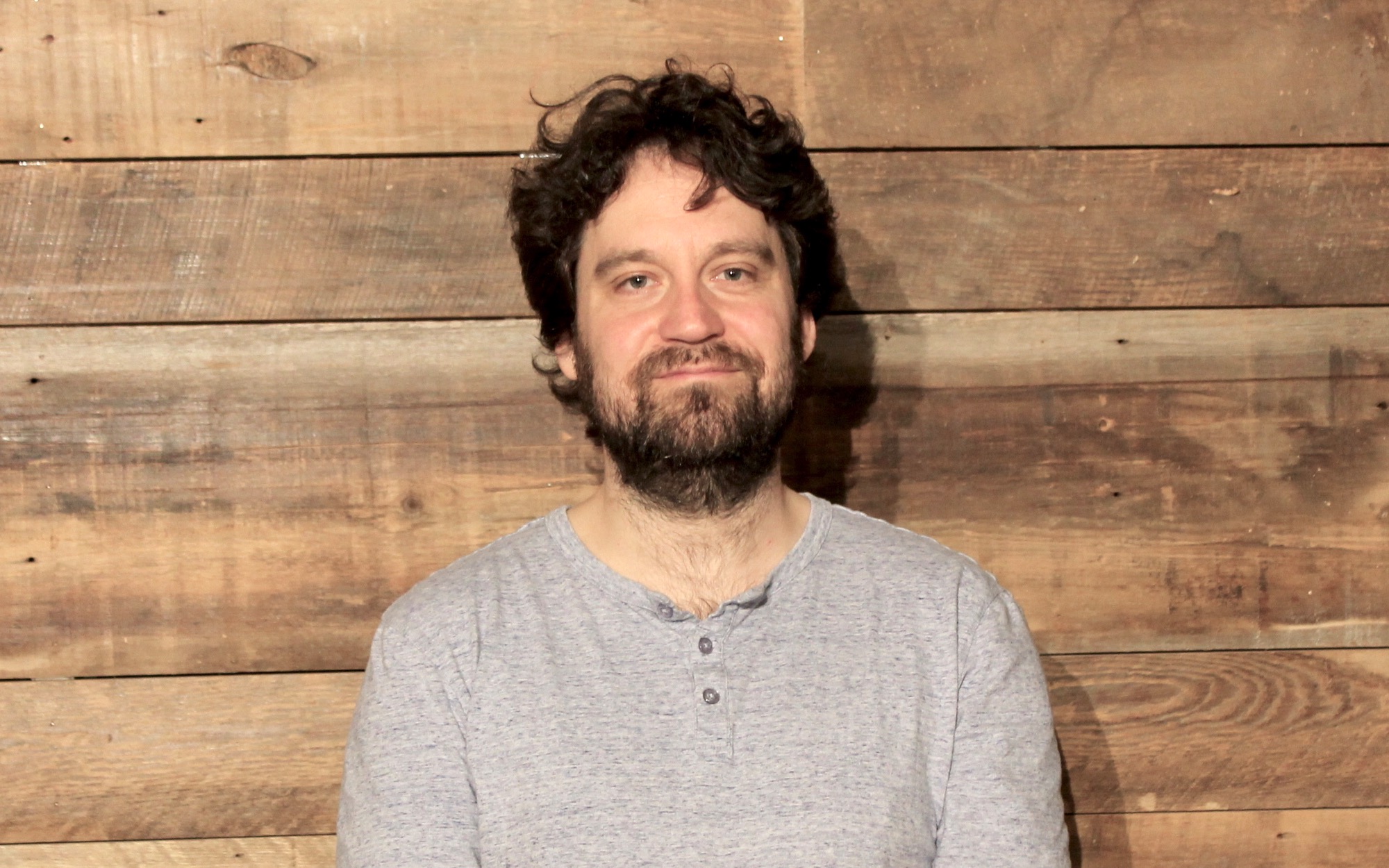
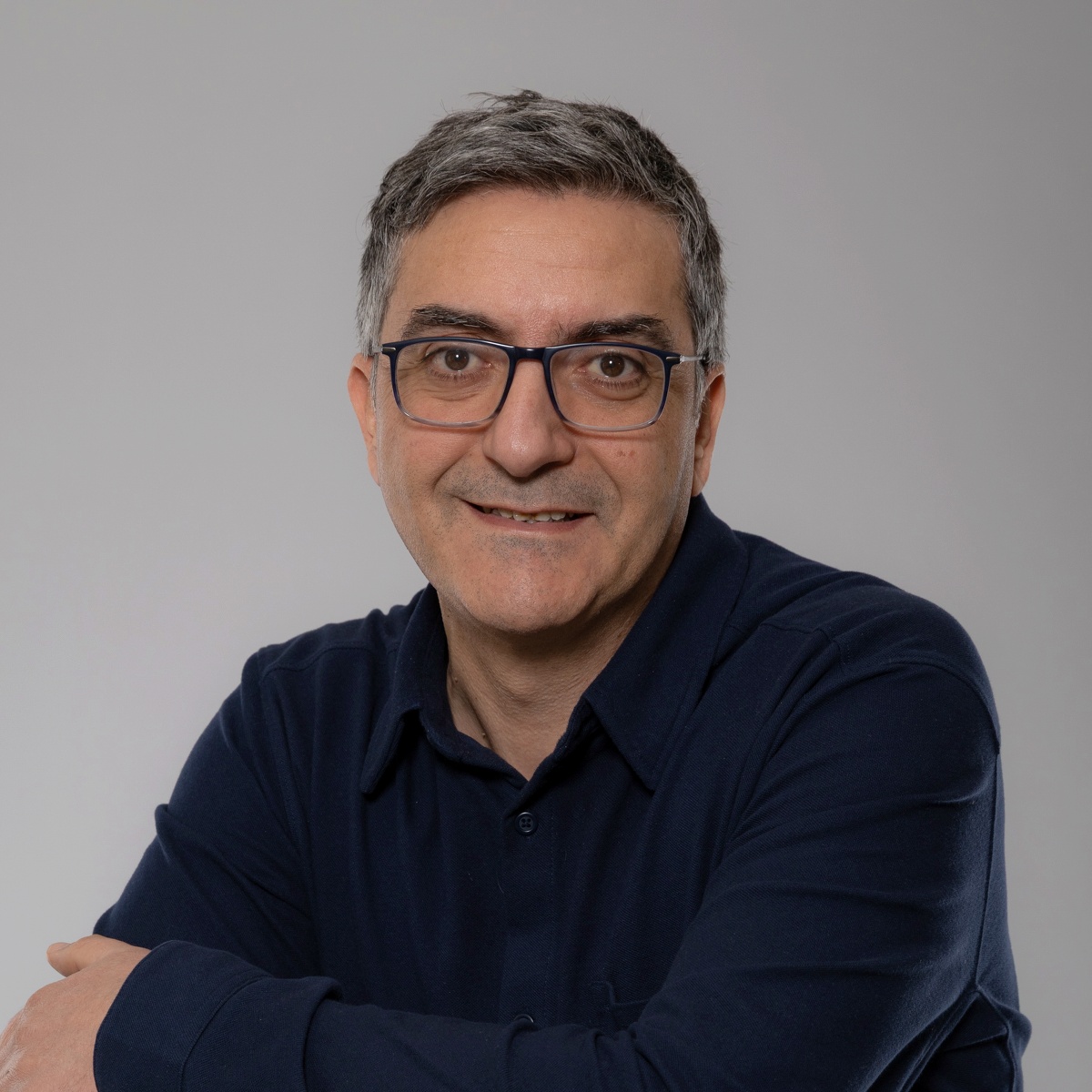
Yann Pezzini

Jamel Stambouli

Researcher

Jamel Stambouli holds a PhD in Management -HEC Montréal. His doctoral research explored the importance of sociocultural factors in organizations and discussed the influence of spirituality and religious values on entrepreneurs and management organizations. Many of his writings have been published in the form of reports and book chapters. His current research interests include immigrant entrepreneurship, social entrepreneurship and the development and management of social and solidarity economy organizations. He has professional experience in the industry and has been a consultant to both national and international organizations. He has also acted as a coach for several entrepreneurs.

Simon Tremblay-Pepin

Researcher

Simon Tremblay-Pepin is a professor at the Élisabeth Bruyère School of Social Innovation at Saint Paul University. His research interests are the democratization of the economy, critical media studies and public finance. He is the co-author of Du vin et les jeux: le virage commercial de la SAQ et de Loto-Québec published by Lux in 2019 and he edited Dépossession: une histoire économique du Québec contemporain, Volume 1: Les Ressources, published by Lux in 2015.

Sylvie Plante

researcher-practitioner

Sylvie Plante is a researcher-practitioner in social innovation, organizational development and leadership. As Doctor of Social Sciences (Royal Roads University), Sylvie researches the creation and use of social capital and boundary-spanning practices to facilitate innovation in cross-sector partnerships, as well as the crafting of scholar-practitioner identities in academic institutions. Her writing has received awards from the International Leadership Association and the Center for Creative Leadership. She contributes to the Élisabeth Bruyère School of Social Innovation as a part-time professor, and is also an entrepreneur, running a consulting practice serving the public, private and not-for-profit sectors.